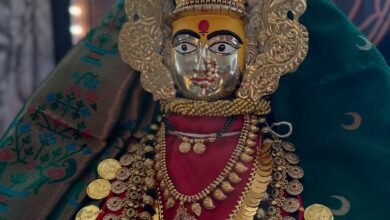
#Kumari:Nepal’s Living Child Goddess Tradition/Divine Heritage?
Inside the centuries-old Kumari tradition where a child becomes divine!

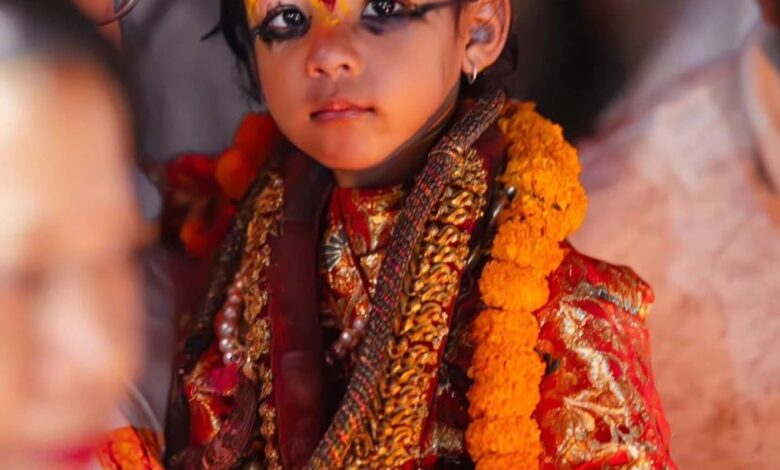
#Kumari :”Nepal’s Living Child Goddess” A Tradition that upholds Divine Heritage? Nepal is home to one of the world’s most fascinating cultural and religious practices—the tradition of the Kumari, or Living Goddess. Rooted in both Hindu and Buddhist beliefs, this centuries-old custom centers on the worship of a young prepubescent girl believed to embody the goddess Taleju, a manifestation of the Hindu goddess Durga.
Lawyers like Pun Devi Maharjan have raised concerns that the Kumari system denies the Kumari the right to live with her parents, to move freely, and to get a full education. Private tutoring is provided, but many argue it is insufficient. There have been legal challenges seeking reform rather than abolition — focus is usually on ensuring the child’s best interests and balancing tradition with rights.
Some NGOs, women’s rights groups, and child welfare activists point out that while the Kumari is highly respected, the tradition imposes restrictions (seclusion, ritual expectations, limited schooling) that may impact the child’s development and sense of normalcy. Reports state that former Kumaris sometimes face difficulties transitioning back to regular life, including social reintegration, psychological adjustment, and sometimes being stigmatized.
Tweets— 4Mamas Creative Boutique LLC (@emmanuelomenejo)
Nepal selects 2-year-old girl as new living goddess revered by Hindus and Buddhistshttps://t.co/defdX2muKd#Nepal #Kumari #Goddess #Buddhist #Hindus pic.twitter.com/EYn4vHHKHq
— 4Mamas Creative Boutique LLC (@emmanuelomenejo) October 2, 2025
The selection of a Kumari is a meticulous process. Traditionally chosen from the Newar Shakya or Bajracharya community, the girl must meet a set of physical and spiritual requirements, including the “32 perfections,” such as flawless skin, calm demeanor, and symmetrical features. Her horoscope is matched with that of the nation, and she must demonstrate fearlessness during symbolic tests. Once selected, she is elevated to the revered status of Kumari Devi—the living goddess of Nepal.
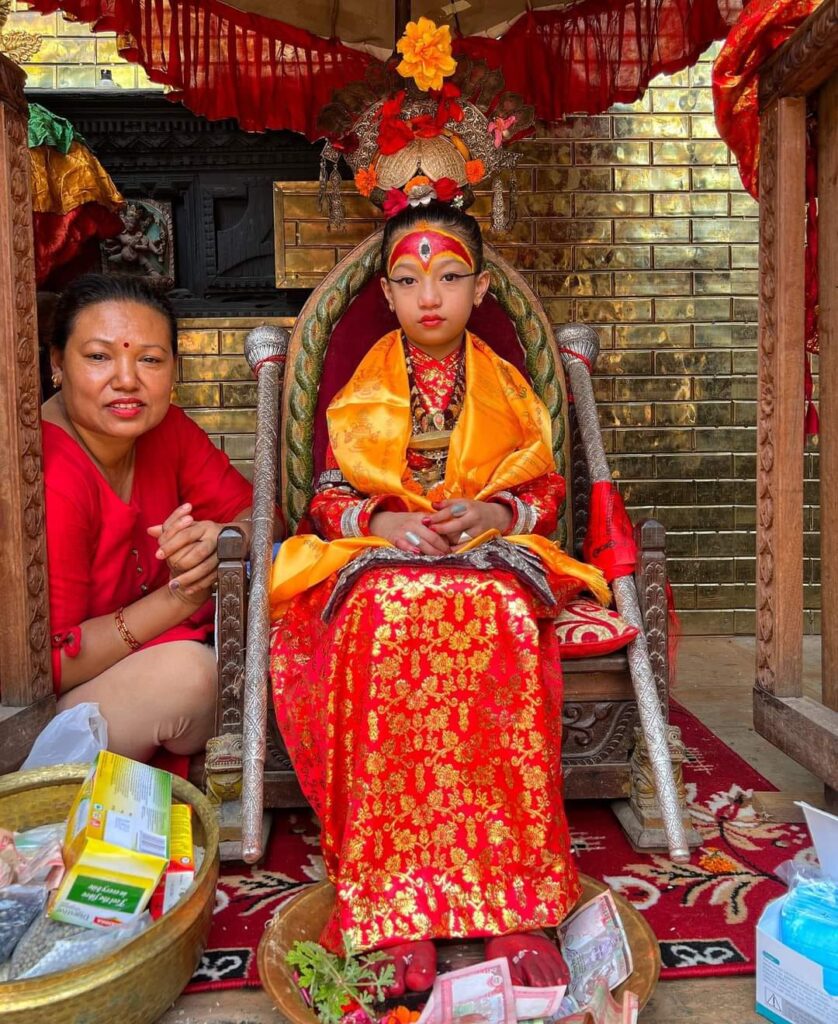
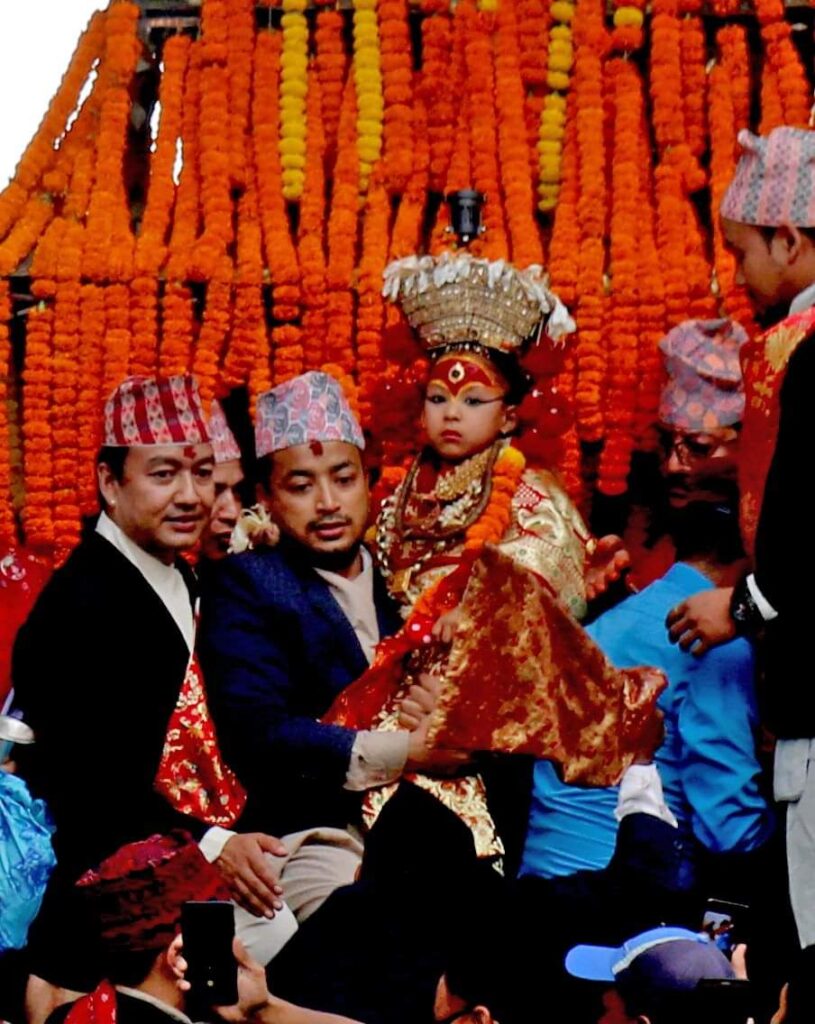
The Kumari resides in the Kumari Ghar, a palace-like residence in Kathmandu’s Durbar Square. Her life is marked by seclusion and ritual. She rarely touches the ground and is carried during public appearances, the most prominent being the Indra Jatra festival, where she blesses the king, leaders, and citizens. Devotees believe her blessings ensure prosperity, protection, and good fortune.
Tweets— The Daily Jagran (@TheDailyJagran) October 1, 2025
Nepal has a new Kumari! Two-and-a-half-year-old Arya Tara Shakya has been officially enthroned as the Living Goddess in Kathmandu’s Kumari House. Revered by Hindus and Buddhists alike, she will remain a goddess until her first menstruation.#KumariNepal #LivingGoddess… pic.twitter.com/3Lb8g4bHu4
— The Daily Jagran (@TheDailyJagran) October 1, 2025
The Kumari’s role, however, is temporary. She serves as the living goddess until her first menstruation or the loss of a significant tooth, both seen as signs of human impermanence. At that point, she returns to normal life, and a new Kumari is chosen to continue the tradition.
The Kumari tradition dates back to the Malla Dynasty in the 17th century, when a rift between the goddess Taleju Bhawani and King Jayaprakash Malla is said to have spurred the goddess to be reincarnated in a series of young girls. Today, Buddhist families of the Shakya clan can bring their daughters to senior Buddhist priests and the royal astrologer for consideration.
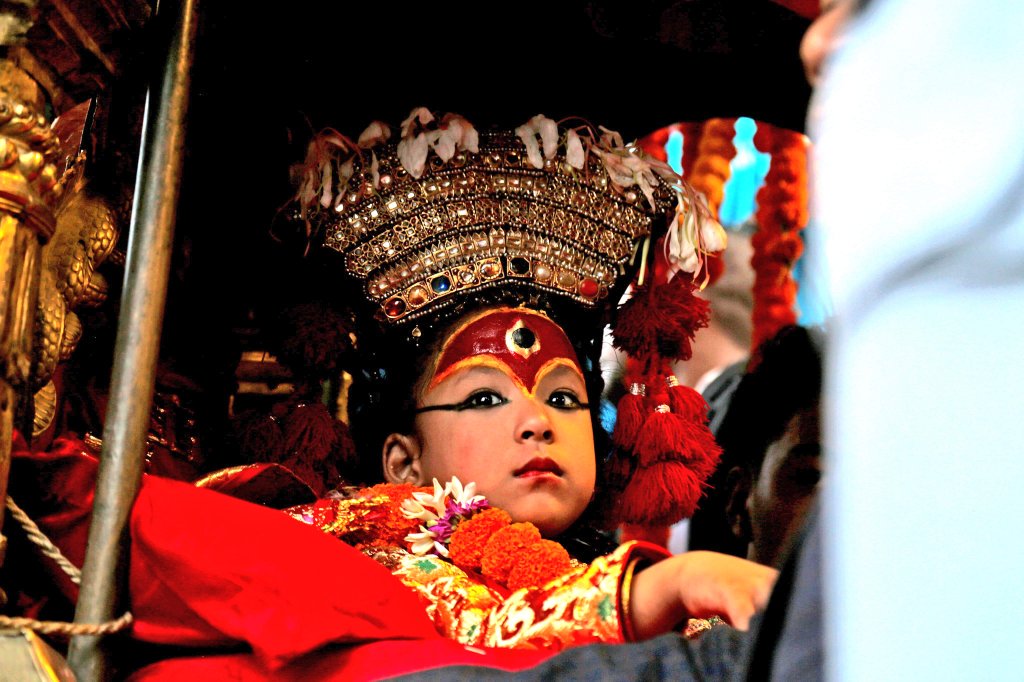
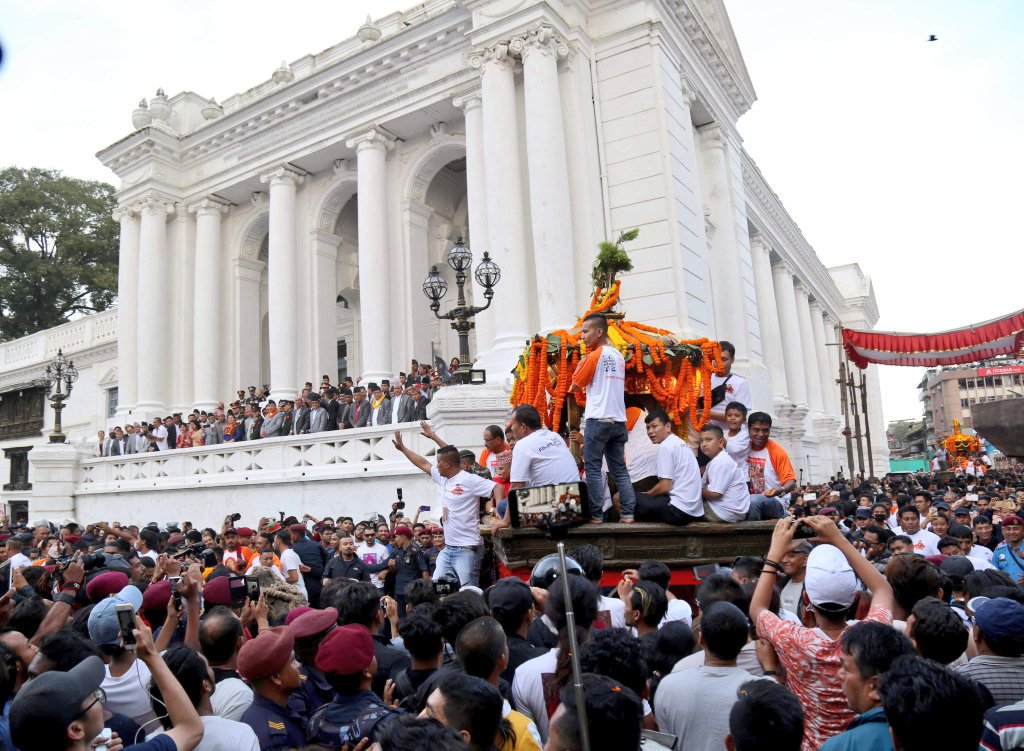
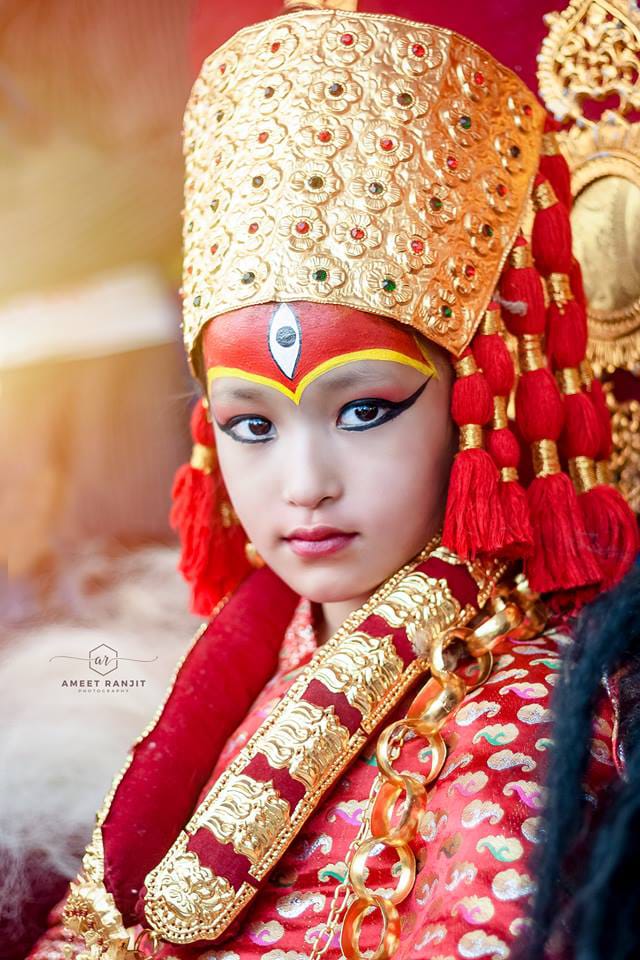
After undergoing tests (reportedly including whether the girl is afraid of the dark), one Kumari is selected. She spends almost all her time in the temple with limited social interaction. Once the Kumari goes through puberty, another girl is selected. Some Kumari face physical and social difficulties upon their reintegration into society as mortals.
The Kumari system reflects Nepal’s unique fusion of Hinduism and Buddhism, embodying purity, divinity, and national identity. For the people of Nepal, the Living Goddess is not just a religious figure but also a cultural symbol of continuity, spirituality, and sacred power that links the divine with everyday life.
Nepal’s Kumari tradition, where young girls are worshipped as living goddesses, has drawn child rights concerns. The Nepal Supreme Court ruled they must access education and health. Activists highlight isolation and reintegration challenges, while some former Kumaris speak of both pride and difficulty.
Source : http://x.com
https://ntb.gov.np › living-goddess-kumari
Catchup for more on : https://indiainput.com
ind
#नवरात्री आणि स्त्रीचा प्रवास : आरोग्य, समृद्धी, स्त्रीत्व..
#नवरात्री आणि स्त्रीचा प्रवास : आरोग्य, समृद्धी, स्त्रीत्व..
#नवरात्री आणि स्त्रीचा प्रवास:आरोग्य, समृद्धी, स्त्रीत्व-२
#MiG-21: The Final Sortie of India’s Sky Warrior “Type 77”..
#MiG-21: The Final Sortie of India’s Sky Warrior “Type 77”..
#Zubeen Garg : Assam sings in tribute to their musical Icon…
#Zubeen Garg : Assam sings in tribute to their musical Icon…
Gen Z India : Rooted and Rising, Spiritual and Nationalist!!
Gen Z India : Rooted and Rising, Spiritual and Nationalist!!