Parakram in Flesh and Fire : #Netaji Subhash Chandra Bose
Inside the mystery behind Netaji Bose’s final days

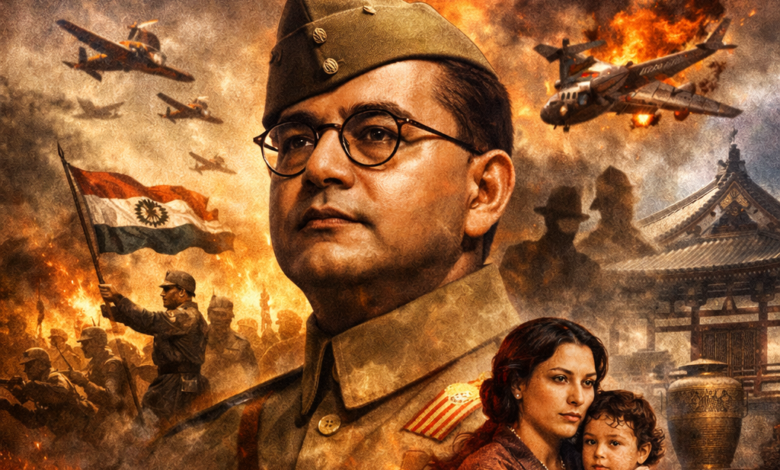
Parakram in Flesh and Fire : #Netaji Subhash Chandra Bose. Netaji was not just a leader of India’s freedom movement; he was its fiercest symbol of parakram—raw courage forged in flesh and fire. While many chose negotiation, Netaji chose confrontation, believing that freedom must be seized, not requested. His final days, however, remain one of the most enduring mysteries of modern Indian history.
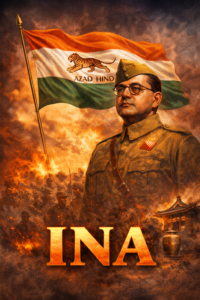

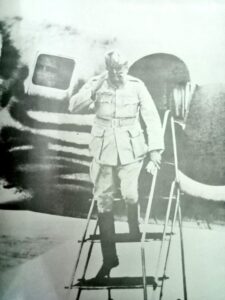
#NetajiSubhasChandraBose remains one of the most powerful and enigmatic figures of India’s freedom struggle. Born on 23 January 1897 in Cuttack, Odisha, into a well-educated and patriotic family, Bose showed exceptional brilliance from a young age. He cleared the prestigious Indian Civil Services (ICS) examination in England but resigned soon after, declaring that he could not serve a foreign government ruling over his own people. This decision marked the beginning of a life devoted entirely to India’s independence.
By- Dr. Namrata Mishra Tiwari, Chief Editor http://indiainput.com
Bose rose rapidly within the Indian National Congress, serving as its president twice. However, ideological differences soon emerged. While he respected Mahatma Gandhi, Netaji believed that non-violence alone was insufficient to defeat British imperialism. His vision was more militant and international in outlook. After parting ways with the Congress, he formed the Forward Bloc, aiming to unite all radical nationalist forces.
View this post on Instagram
During World War II, Netaji made a daring escape from British surveillance and traveled to Germany and later to Japan. With Japanese support, he reorganized the Indian National Army (INA), composed mainly of Indian prisoners of war and expatriates in Southeast Asia. The INA’s battle cry — “Give me blood, and I will give you freedom” — electrified the nation. Though the INA’s military campaign in Burma and India’s northeast did not succeed, its impact was profound. The INA trials after the war ignited massive public support and weakened British authority, accelerating India’s march to freedom.
On the personal front, Bose married Emilie Schenkl, an Austrian national, and they had a daughter, Anita Bose Pfaff, who later became a respected economist. Netaji kept his family life private, placing the nation above all else.
View this post on Instagram
Yet, just as Netaji’s mission reached its most decisive phase, history turns uncertain. According to official accounts, Bose died in a plane crash in Taiwan on 18 August 1945, shortly after Japan’s surrender. But the lack of conclusive physical evidence, conflicting testimonies, and unanswered questions quickly fueled doubt. How could a leader so formidable vanish without certainty?
VIDEO | Germany: On Netaji Subhash Chandra Bose’s birth anniversary, daughter Anita Bose Pfaff appeals for repatriation of father’s mortal remains in Japan temple for ‘final and fitting disposal’ in India.
(Source: Third Party)#NetajiSubhasChandraBose #NetajiJayanti pic.twitter.com/vjRsub8ynI
— Press Trust of India (@PTI_News) January 23, 2026
Multiple inquiry commissions were formed in independent India, but none fully settled the debate. Some accepted the crash theory; others questioned missing records and unexplained inconsistencies. The mystery deepened with reports of Bose’s ashes being preserved in a Tokyo temple, while sections of his family and followers demanded DNA verification and greater transparency.
Beyond speculation, the mystery reflects something deeper: Netaji’s refusal to belong to a single moment in history. His disappearance transformed him into a legend—half man, half myth—forever alive in public memory. His ideas of fearless nationalism, unity across religion and region, and absolute sacrifice remain timeless.
Rare footage #NetajiSubhashChandraBose delivering a speech in Germany.