

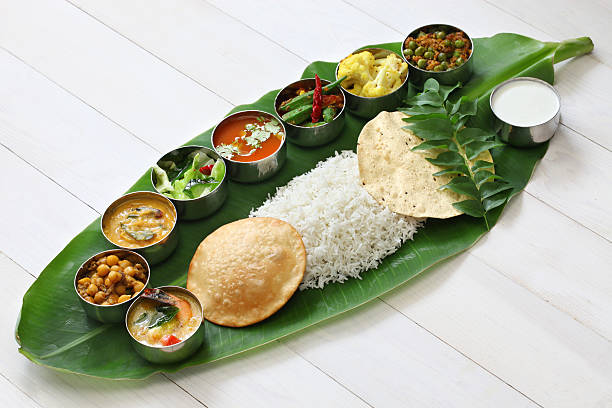
Banana Leaf Dining : Where Tradition Meets Science. Across India, serving meals on banana leaves is more than a cultural symbol — it reflects generations of practical science, hygiene, and sustainability. From Tamil Nadu and Kerala to Odisha, Assam, and coastal Karnataka, festive feasts and daily meals alike have long celebrated this green, nature-friendly plate.
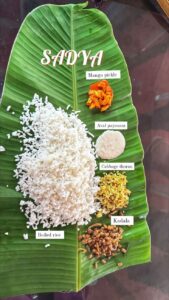
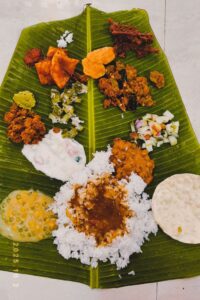
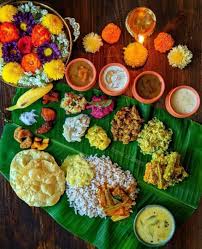
One of the first things you notice is the vivid color change when hot rice or food touches the leaf. The warmth activates natural pigments, especially chlorophyll, causing a slight darkening of the surface. This isn’t just visual — heat also helps release beneficial compounds like polyphenols, which act as natural antioxidants. When food is served hot, a tiny amount of these compounds can transfer into the meal, adding mild health-promoting benefits.
By – Dr. Namrata Mishra Tiwari, Chief Editor http://indiainput.com
In Ancient India — and even today during festivals, temple offerings, and weddings —Indians take great pride in serving food on plant leaf plates, especially banana leaves, as a symbol of purity, respect, and connection with nature.
View this post on Instagram
Banana leaves have a smooth, hydrophobic surface, meaning water and liquids bead up instead of soaking in. This natural water-repelling property acts like a protective, food-safe coating — similar to what modern waxed plates try to imitate, but fully biodegradable and chemical-free.
Cleanliness is another major reason this tradition survives. Banana leaves grow high above the ground and are wrapped by layers of other leaves while developing, making them naturally less exposed to dirt. They contain antimicrobial compounds that help reduce germs when cleaned properly with just a rinse. Before serving, the leaf is often warmed over a flame or steamed, further enhancing cleanliness and aroma.
Beyond science, banana leaves make meals aromatic and flavorful. Their subtle scent pairs especially well with traditional South Indian dishes like sambar, rasam, and coconut-based foods, adding a fresh, earthy note.
This practice also exemplifies environmental wisdom. Banana leaves are 100% biodegradable, leaving zero waste — unlike plastics or coated disposable plates. Once the meal is done, they can be composted, fed to cattle, or returned to soil, supporting a natural cycle.
So, while the custom may appear simple, it beautifully combines health, hygiene, sustainability, and cultural heritage. Eating on banana leaves shows how ancient Indian traditions often hold smart scientific reasoning — wisdom that modern lifestyles are rediscovering today.
SOURCE :
CATCHUP FOR MORE ON : http://indiainput.com
Little India : Taste India. Celebrate India. Live India.
Bhavitha Mandava Made Runway History: Chanel’s Casting!!
The Strut That Shook the Screens !! Worth the Buzz?
Netflix & Warner Bros. Merger: Shakes up Global Entertainment
Netflix & Warner Bros. Merger: Shakes up Global Entertainment
Balancing the World: India–Russia Summit Sends a Clear Signal
Balancing the World: India–Russia Summit Sends a Clear Signal