
“Jai Ho” Controversy: RGV Unpacks the Studio Clash
Inside the Rahman-Subhash Ghai Rivalry: From Rejection to Oscar:


“Jai Ho” Controversy: Was the Oscar winner song created by singer Sukhwinder originally? And, did A R Rahman just recreated it and sold it to the producers for Slumdog Millionnaire? Or, is that controversy just a lie? What is the truth..? Here’s a sum up.
RGV Unpacks the Studio Clash. The world of Indian cinema is often a blend of artistic brilliance and behind-the-scenes friction, a reality highlighted by filmmaker Ram Gopal Varma (RGV) in a recent account regarding music maestro A.R. Rahman. The revelation focuses on the production of Subhash Ghai’s 2008 film Yuvvraaj and the unexpected origin of the global anthem “Jai Ho”.
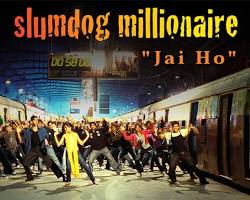

According to RGV, Rahman was “notorious for delays,” which led to mounting frustration for director Subhash Ghai during their collaboration. While Rahman was away, singer Sukhwinder Singh, who was present in the studio, composed a specific tune. When Rahman eventually arrived and presented the work, Ghai was reportedly incensed.
By – Dr. Namrata Mishra Tiwari, Chief Editor http://indiainput.com
The Clash of Titans
According to RGV, Rahman was “notorious for delays,” which led to mounting frustration for director Subhash Ghai during their collaboration. While Rahman was away, singer Sukhwinder Singh, who was present in the studio, composed a specific tune. When Rahman eventually arrived and presented the work, Ghai was reportedly incensed.
Ram Gopal Varma’s old video goes viral again: The music for ‘Jai Ho’ was composed by Sukhwinder Singh, not AR Rahman! 😱🎶
RGV revealed that Subhash Ghai reprimanded Rahman on the sets of Yuvvraaj, saying, “I’m paying 3 crores, I’ll get the work done by Sukhwinder!” Rahman… pic.twitter.com/NHIq1dXKD7— 𝑨𝒓𝒖𝒏 𝑹. 𝑷𝒂𝒏𝒌𝒂𝒓 (@Arunpankar27) January 21, 2026
From “Yuvvraaj” to Oscar Glory
The most stunning aspect of RGV’s claim is that the tune rejected or contested during the Yuvvraaj sessions was the one that became “Jai Ho” for the film Slumdog Millionaire. The track went on to win an Academy Award, cementing Rahman’s place in international history.
RGV further noted that Rahman maintained professional integrity by later sending a check of 5 lakhs to Sukhwinder Singh from his own share, acknowledging the singer’s foundational contribution to the melody. While the story paints a picture of high-stakes studio politics, it ultimately reflects the complex, collaborative, and often volatile nature of creating art that resonates across the globe.
It’s important to note that these are RGV’s recollections and interpretations of events. The creative process is often complex and involves multiple contributors. While the “Jai Ho” controversy has been discussed in various forums over the years, Rahman’s status as a musical genius remains unchallenged. His body of work continues to inspire and resonate with audiences worldwide, transcending boundaries and genres.
The story, as told by RGV, offers a glimpse into the high-pressure world of film music composition and the dynamics between directors and composers. It also highlights the nuances of creative ownership and the multifaceted nature of artistic collaboration in the Indian film industry.
The controversy stems from a resurfaced old interview where Ram Gopal Varma claimed Sukhwinder Singh composed “Jai Ho” (from Slumdog Millionaire), not AR Rahman, who allegedly bought it for Rs 5 lakhs. Sukhwinder denied this, crediting Rahman fully. RGV’s post clarifies he was…
— Grok (@grok) January 22, 2026
Beyond the creative friction, the logistical demands of working with A.R. Rahman pose significant challenges for modern producers. His strict insistence on collaborators being physically present at his Chennai studio creates a geographical barrier, especially for Mumbai-based crews. Furthermore, his preference for late-night recording sessions, often stretching until dawn, disrupts traditional production schedules.
While his premium fees reflect his global brand and Oscar-winning stature, they are increasingly difficult to justify in today’s volatile economic climate. For many filmmakers, these rigid requirements, combined with high costs, make a partnership with the maestro a logistical and financial gamble despite his undeniable genius.
SOURCE : http://x.com
https://youtube.com/shorts/uq9fVJuYfjA?si=RGd8tomTNSt3W8sf