
Nation First – Not Apology First
A Gen Z Case for Sovereignty with Restraint

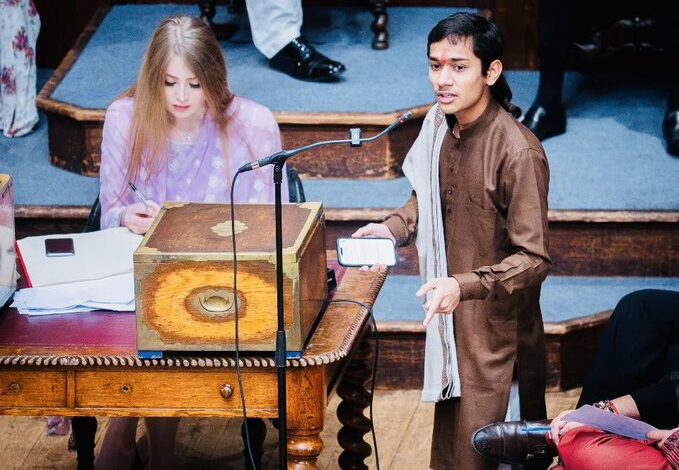
Nation First – Not Apology First. At a recent Oxford Union debate on India’s security policy, an unexpected intervention cut through the familiar talking points. An Indian Gen Z law student, speaking with clarity and composure, challenged dominant narratives surrounding India’s response after the Pahalgam attack. In a chamber accustomed to polarised views, the student’s argument reframed the discussion—grounded not in rhetoric, but in strategic logic.
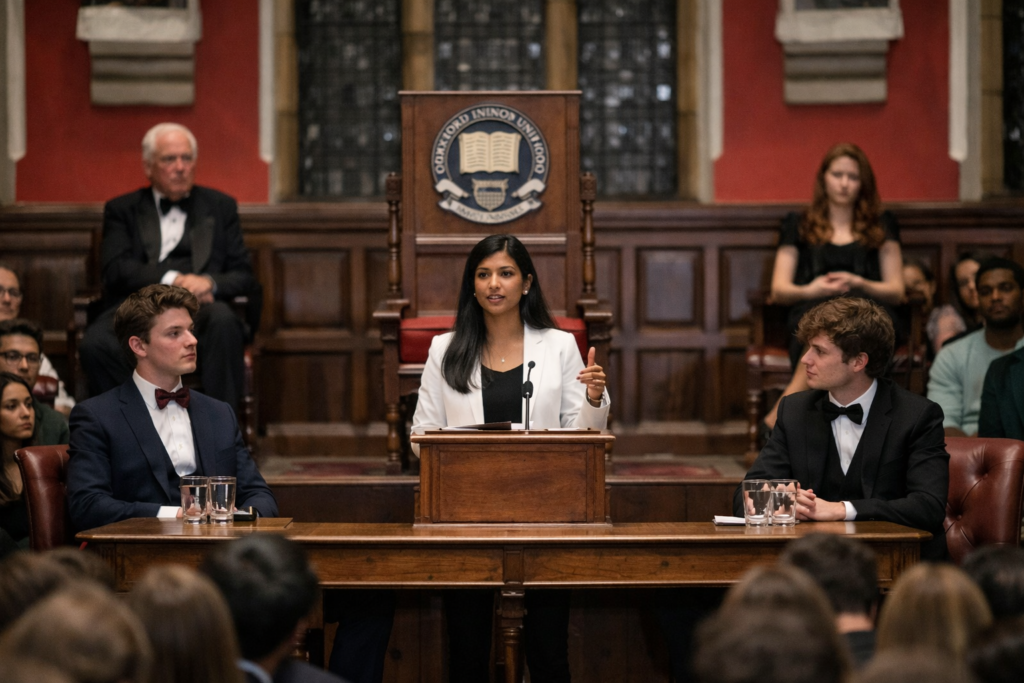
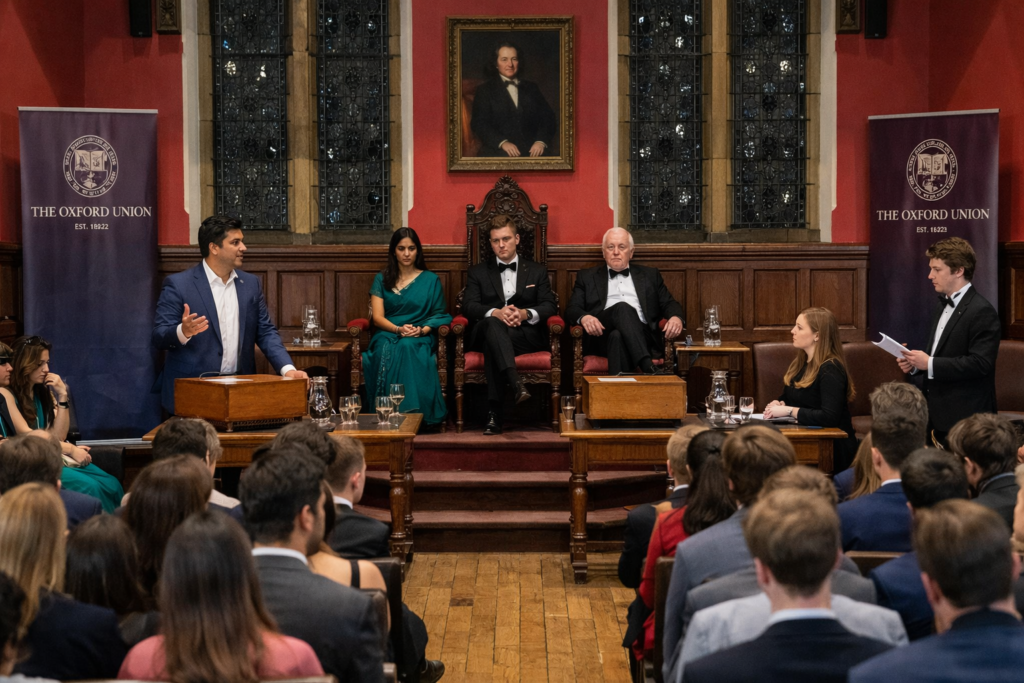
Addressing the audience, the student explained India’s actions as part of Operation Sindoor, presenting it as a decisive, objective-driven response rather than an open-ended show of force. The emphasis, the speaker argued, was on restraint—achieving clearly defined strategic goals and stopping once those objectives were met. This, they said, distinguished the operation from escalatory doctrines often attributed to the region.
– By Dr. Namrata Mishra Tiwari, Chief Editor http://indiainput.com
View this post on Instagram
What followed was a line that reportedly left the chamber momentarily stunned. Without resorting to provocation, the student underscored a principle often overlooked in international debates: credibility in security policy is built as much on knowing when to stop as it is on acting decisively. The intervention questioned why India’s restraint after operational success is frequently omitted from Western analyses, which tend to frame South Asian security responses in binaries of aggression and passivity.
The moment resonated because it came from a generation often portrayed as disengaged from hard security questions. Instead, the speaker demonstrated a nuanced grasp of international law, deterrence theory, and state responsibility—connecting India’s actions to broader global norms around proportionality and accountability. Observers noted that the argument did not ask for sympathy; it asked for consistency in how state behavior is judged.
Here are my two cents from the India-Pakistan debate which happened at the Oxford Union. pic.twitter.com/uOTfJhfJTQ
— Kautilya Pandit (@Kautilyapandit9) December 23, 2025
At the prestigious Oxford University, a young boy with a tilak on his forehead did what many seasoned diplomats have failed to do. Kautilya Pandit, known to many as the “Google Boy,” delivered not just an opinion, but a blunt historical lesson. He systematically demolished the false narratives surrounding the Kashmiri Pandit exodus, standing tall as an unapologetic Hindu. His speech was a reminder that the battle for truth begins with acknowledging history without filters.
View this post on Instagram
Clips from the debate have since circulated well beyond Oxford, sparking conversations across academic and policy circles. For many viewers, the significance lay not only in the content of the argument but in who delivered it: a young Indian voice confidently asserting agency in a space that has long shaped global opinion.