Open Creativity vs. Corporate Censorship: Ethics of AI?
Creativity wins ? Guardrails that protect us… or guardrails that stop us?

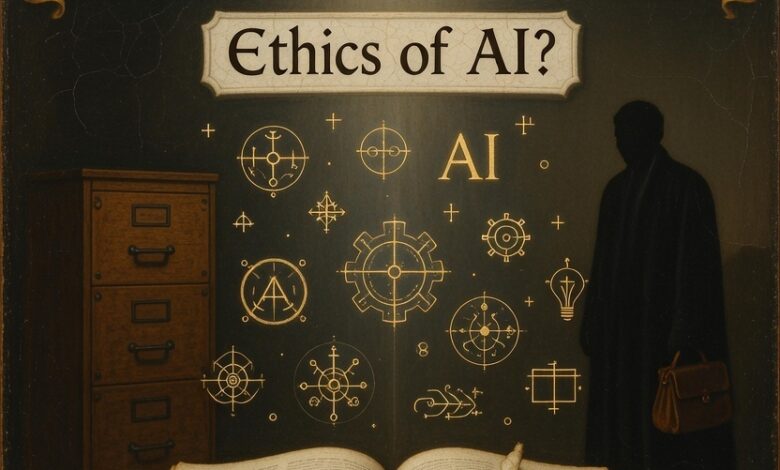
Open Creativity vs. Corporate Censorship: Ethics of AI? In late 2025, during a big event called Dreamforce, Salesforce CEO Marc Benioff told a simple story that went viral. He wanted to edit a photo of himself standing next to Sam Altman (the boss of OpenAI). He just asked to remove the conference badges or “necklaces” they were wearing around their necks. ChatGPT said no. It refused because it thought editing might break copyright rules.

By _ http://indiainput.com Desk
Benioff then tried Grok, the AI from Elon Musk’s xAI company. Grok said yes right away. It made the change fast and even asked if he wanted to add more fun things, like pictures of his podcast friends. The new photo looked cool and playful. Benioff called this “the difference between open creativity and corporate censorship.” Elon Musk replied with a short “Haha cool” on X, and the clip got millions of views.
Tweets — DogeDesigner (@cb_doge) March 3, 2026
Marc Benioff, CEO of Salesforce, said he used Grok to make the viral image because ChatGPT refused to create it.
That’s the difference between open creativity and corporate censorship.
Grok for the win.
— DogeDesigner (@cb_doge) March 3, 2026
Safety and ethics
This small story shows a big argument in AI today. Many people like ChatGPT, Claude, and Gemini have strong rules, called guardrails. These rules stop bad uses—like making fake videos to hurt people, copying art without permission, or creating mean content. Companies say these rules are important for safety and ethics. They want to avoid lawsuits, hate, or real harm in the world.
But some users feel these rules go too far. They block simple, fun, or creative ideas too. Artists, writers, and everyday people say it stops free thinking and new ideas. They call it “corporate censorship” because big companies seem more scared of trouble than helpful to users. Grok tries to be different—it gives more freedom and focuses on what the user wants, as long as it’s not clearly wrong.
Freedom vs Risks
Benioff’s switch helped Grok get more users. It shows people want AI that lets them create without too many blocks. But freedom has risks too. Without any rules, AI could make dangerous things, like bad advice or fake news.
The real question is balance. Good ethics mean protecting people while letting creativity grow. As more people use AI every day, companies must find better ways—not too strict, not too loose. Benioff’s fun story reminds us: AI should help us imagine and play, not just say “no” all the time.
SOURCE :
FEEDBACK : contact@indiainput.com
CATCHUP FOR MORE ON : http://indiainput.com
Ticket Chaos, Title Chase: India-England Epic for Final Spot
Ticket Chaos, Title Chase: India-England Epic for Final Spot
Label or Lose : AI War Videos Face the Axe on X !!
When Brains High-Five: Science Behind Bestie Telepathy Vibes
When Brains High-Five: Science Behind Bestie Telepathy Vibes
विश्वगुरु भारत: Where the World Trembles, We Thrive!
#Sail Past the Traffic Jam! Sea the Difference!