
Screens Are Stealing India’s Kids’ IQ
Studies show Indian children are spending double the safe screen limits


Screens Are Stealing India’s Kids’ IQ. Generation Z—born roughly 1997–2010—marks a troubling milestone: the first modern generation to score lower than their parents on standardized measures of cognitive abilities, including attention span, working memory, literacy, numeracy, executive function, and general IQ.
-By Dr. Namrata Mishra Tiwari, Chief Editor http://indiainput.com
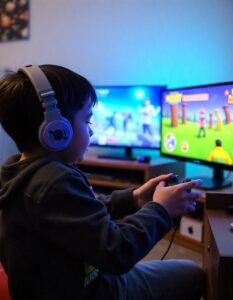
In today’s digital India, screens have become a constant companion for children. Smartphones, tablets, televisions, and laptops are now part of daily life, but rising screen exposure is creating serious concerns about children’s learning ability, focus, and brain development.
Mechanisms are biological: brains evolved for rich human social cues (gestures, tone, feedback); screens encourage shallow skimming, multitasking, and attentional fatigue, reducing deep processing and retention.
Recent data shows the situation is alarming. A 2025 meta-analysis by AIIMS Raipur, covering 10 studies and nearly 2,900 children under the age of five, found that young children spend an average of 2.22 hours a day on screens. This is double the limit recommended by the Indian Academy of Pediatrics and the World Health Organization. Even more troubling, children below two years, who should have zero screen time, are already spending over one hour daily watching screens.
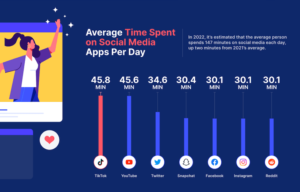
As children grow older, screen time increases sharply. Indian children aged 8 to 18 years now average around 4.35 hours of screen use per day. Urban children spend 20–25% more time on screens than their rural counterparts. Teenagers between 13 and 18 years exceed 4.5 hours daily, and their screen exposure has risen by nearly 30% in recent years.
We are in BIG TROUBLE pic.twitter.com/gZyy5ue8P1
— JovanHuttonPulitzer™ אני לא סובל אידיוטים! (@JovanHPulitzer) February 3, 2026
What children do on screens is equally concerning. Studies show that recreational use dominates. Around 76% of screen time is spent on social media, gaming, short videos, and entertainment, while only 57% is linked to educational purposes, particularly among children aged 14 to 16. Endless scrolling and quick-reward content reduce attention span and make it harder for children to concentrate on studies or problem-solving tasks.
Excessive screen time also affects sleep, physical activity, and social interaction. Late-night phone use disturbs sleep, leading to poor memory and low classroom performance. Less outdoor play means weaker physical health and fewer opportunities to develop social skills.
Why Organ Failure in Children Will Rise | Hidden Dangers of Screen Time, Smartphones & Technology | Dr. Ankit Shah (@ankitatIIMA) Explains pic.twitter.com/VOagzHAeLa
— Dr. Ankit Shah-Dakshin (@Dr_Shah_Dakshin) February 3, 2026
भारत की बड़ी जीत: ट्रंप ने बिना शर्त टैरिफ 50% से 18% किया
#धुरंधर: द रिवेंज — टीज़र रिलीज़ होते ही इंटरनेट पर मचा धमाल
#धुरंधर: द रिवेंज — टीज़र रिलीज़ होते ही इंटरनेट पर मचा धमाल