When a Republic Day Invite Became Cultural Diplomacy
Handcrafted Traditions from India’s North East Reach the Global Stage

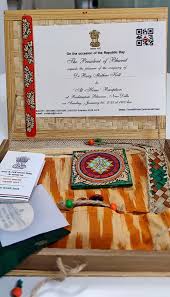
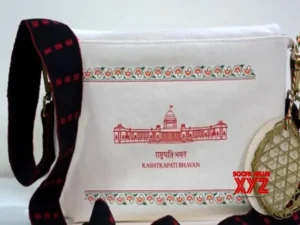
When a Republic Day Invite Became Cultural Diplomacy. The specially designed ‘At-Home’ invitation sent by the President of India for the 77th Republic Day is far more than a ceremonial card—it is a cultural statement. This year’s invitation kit celebrates the living traditions of India’s North Eastern Region, paying tribute to the master artisans and crafts persons of the eight Ashtalakshmi states. By foregrounding North East designs, materials, and motifs, the invitation transforms a constitutional ritual into a platform for cultural recognition and economic inclusion.
By-Dr. Namrata Mishra Tiwari, Chief Editor http://indiainput.com
A stunning tribute to the rich crafts and cultural heritage of India’s 8 North-Eastern states, this masterpiece was created by 350+ artisans, using sustainable, traditional materials. More than an invitation, it is a celebration of unity, diversity, and timeless craftsmanship. From handloom and gogona, to manuscript art and Eri silk, the Republic Day ‘At-Home’ invitation brings the soul of the North East to the heart of national celebrations. A heartfelt tribute to the creativity, skill and living traditions of the North East.
The North East has long been a reservoir of exquisite craftsmanship—handwoven textiles, natural fibres, bamboo and cane work, traditional dyes, and symbolic patterns rooted in community life. Yet, despite their quality and sustainability, these products have often remained underrepresented in mainstream and global markets. By choosing North Eastern craftsmanship for one of the country’s most prestigious official events, the Government of India sends a powerful message: these traditions are not peripheral, but central to India’s identity.
Here’s a glimpse of the specially designed ‘At-Home’ invitation that has been sent from the President of India to the guests for the 77th Republic Day.
The invitation kit this year celebrates the living traditions of India’s North Eastern Region. This invitation is a tribute to… pic.twitter.com/pUDkRUj5TI
— President of India (@rashtrapatibhvn) January 18, 2026
Such recognition has a multiplier effect. When global dignitaries, diplomats, and national leaders receive an invitation that embodies North Eastern artistry, it sparks curiosity, appreciation, and demand. Cultural visibility at this level helps reposition North East products as premium, authentic, and globally relevant—qualities increasingly valued by conscious consumers worldwide.
Dr Sibaji Panda, founder of Happy Hands School for the Deaf in Odisha, receives a special invitation to the ‘At Home’ reception at Rashtrapati Bhavan on #RepublicDay
A proud moment celebrating inclusive education, dedicated service, and transformative impact
WATCH:📽️… pic.twitter.com/ktO010Srj2
— PIB India (@PIB_India) January 14, 2026
Equally important is the role of digital public infrastructure in sustaining this momentum. Platforms like the Open Network for Digital Commerce (ONDC) can enable artisans and producer groups from remote regions to access domestic and global consumers directly, reducing dependence on intermediaries. By integrating North Eastern crafts into ONDC ecosystems, producers gain scale, fair pricing, and visibility—turning heritage skills into viable livelihoods.
#WATCH | ‘At Home’ invitation for Republic Day 2026 reception
Experience the beauty of India’s Northeast through the Republic Day 2026 invitation kit. Crafted by 350+ artisans, it celebrates indigenous crafts, bamboo artistry & sustainable traditions, a tribute to the Ashta… pic.twitter.com/NjsTUZRuX8
— DD India (@DDIndialive) January 17, 2026
Further, institutional adoption can accelerate this transformation. Making North East products a preferred choice on the Government e-Marketplace (GeM) for procurement by governments, PSUs, MSMEs, and social institutions would create assured demand. When official gifting, corporate procurement, and citizen-led consumption converge, these products evolve from souvenirs into cultural assets—gems to be acquired, preserved, and proudly showcased.