Energy Emergency Over? The Versailles Deal Explained
President Trump’s critical signature restores global trade and secures affordable fuel for a volatile market.

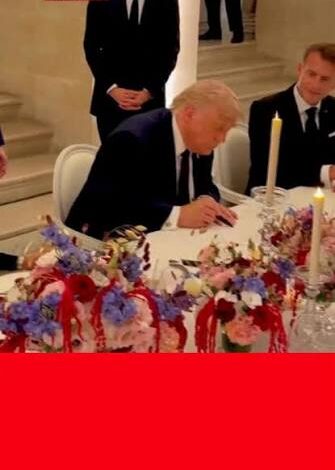
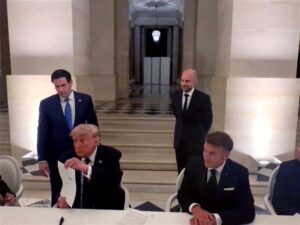
Energy Emergency Over? The Versailles Deal Explained. The signing of the Iran Memorandum of Understanding at the historic Palace of Versailles marks a pivotal shift in the trajectory of the Middle Eastern conflict. For months, the global economy has been held hostage by the volatility of the region, characterized by escalated military operations and a critical blockade of the Strait of Hormuz.
For President Donald J. Trump, the decision to pursue this diplomatic framework was an exercise in high-stakes statecraft, necessitated by the mounting pressure of a global energy crisis that threatened international stability.
The Weight of Presidential Decision-Making
The decision-making process was fraught with complexity. As energy prices soared to unprecedented levels, the economic burden fell heavily on consumers, manufacturers, and governments worldwide.
The closure of the Strait of Hormuz—the world’s most significant maritime oil artery—created a supply shock that threatened to push the global economy into a deep, protracted recession.
Le Président Trump a signé ce soir à Versailles l’accord entre l’Iran et les États-Unis.
Cet accord ouvre la voie à une paix durable et permet la réouverture du détroit d’Ormuz.
C’est un pas important dans la bonne direction pour nos compatriotes… pic.twitter.com/b1XgZrBv0m
— Emmanuel Macron (@EmmanuelMacron) June 18, 2026
President Trump faced a stark binary choice: continue a path of aggressive military containment or pivot toward a pragmatic, albeit politically delicate, diplomatic settlement.
By choosing the latter at Versailles, the administration prioritized the immediate stabilization of global energy markets and the cessation of regional hostilities.
This decision required balancing intense domestic pressure for energy affordability against complex geopolitical alliances and the long-term necessity of ensuring uninterrupted global fuel supplies.
🚨 President Donald J. Trump has SIGNED the Iran Memorandum of Understanding at Versailles in France. 🇺🇸 pic.twitter.com/JQ6qlbvFAF
— The White House (@WhiteHouse) June 17, 2026
Strategic Benefits and Market Stabilization
The agreement, finalized during a high-level G7 summit, brings several immediate and strategic benefits to the international community:
-
Restoration of Energy Logistics: The most critical outcome is the immediate reopening of the Strait of Hormuz. By ensuring the free and unhindered passage of commercial tankers, the memorandum directly addresses the supply chain bottlenecks that drove oil prices to historic highs.
-
Mitigation of Inflationary Pressures: With the stabilization of crude oil and petroleum product transport, global energy costs are expected to undergo a cooling effect. This provides essential relief to industrial sectors and households, easing the inflationary pressures that had been exacerbated by the war.
-
De-escalation and Security: Beyond economics, the deal serves as a circuit breaker for military tensions. By securing a commitment to pause operations and establishing monitored protocols, the framework creates a controlled environment that reduces the risk of accidental escalation, allowing diplomatic channels to function effectively once again.
While the path toward long-term peace remains complex, the Versailles agreement stands as a decisive intervention, successfully shifting the global focus from the instability of the battlefield to the necessary restoration of economic normalcy.
SOURCE :
FEEDBACK : contact@indiainput.com
CATCH UP FOR MORE ON : http://indiainput.com