CBSE Class 9 Language Mandate: Three Language Shakeup
Dual native languages become compulsory from July 1, but built-in academic safety nets aim to prevent highschooler panic.

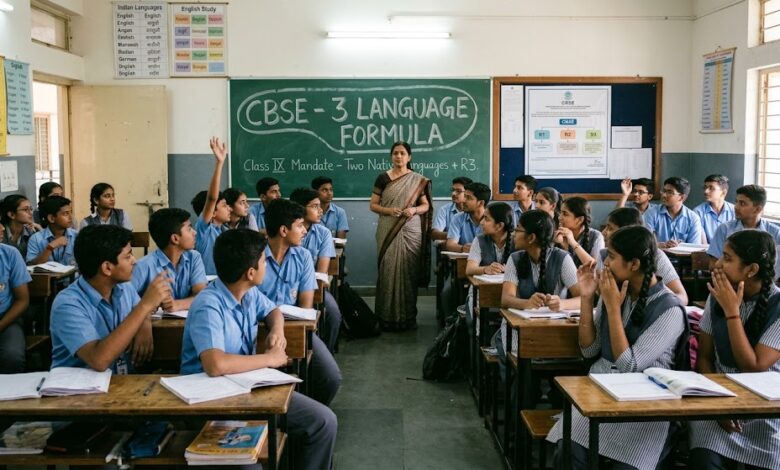
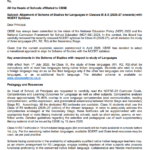
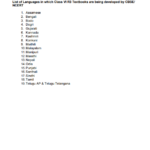
The 3-Language Shakeup: Inside CBSE’s New Class 9 Mandate. The Central Board of Secondary Education (CBSE) has formalized a structural shift in secondary education, announcing that the study of three languages will become compulsory for Class IX students starting July 1, 2026. Aligned with the National Education Policy (NEP) 2020, the mandate stipulates that at least two of these languages must be native Indian languages.
While aimed at fostering multilingualism, the sudden implementation has triggered widespread debate among educators, parents, and students regarding academic pressure and the future of foreign language education.
By_ https://indiainput.com Desk
The Core Mechanics of the Framework
Under the new guidelines, the curriculum classifies language subjects into three distinct tiers: R1, R2, and R3. To satisfy the requirement of two native Indian languages, students can choose from a wide array of regional options. For many, English will naturally occupy the R3 slot.
Crucially, the policy does not ban foreign languages. Students wishing to pursue global languages like French, German, or Japanese can still do so, either by utilizing the R3 slot—provided R1 and R2 remain native—or by taking the foreign language as an optional fourth subject.
To mitigate student panic and ensure a smooth transition, the CBSE has introduced significant academic safeguards:
-
No Board Exams for R3:
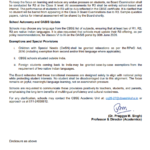
There will be no external Class X Board Examination for the third language. Assessments for R3 will remain entirely internal and school-based. Performance will be recorded as a grade on the final certificate, but it will not impact a student’s eligibility to sit for the board exams.
-
Graduated Learning Curve:
To accommodate students who have not previously studied their chosen R3 language, Class IX students will utilize Class VI-level foundational textbooks, focusing on functional literacy rather than advanced academic rigor.
http://
1 जुलाई 2026 से कक्षा 9 के सभी छात्रों को तीन भाषाएं पढ़ना जरूरी होगाः R1, R2, R3
इनमें से कम से कम दो भाषाएं भारतीय होनी चाहिए.
कक्षा 10 में तीसरी भाषा (R3) का बोर्ड एग्जाम नहीं होगा.
यह बदलाव NEP 2020 और NCF-SE 2023 के अनुसार है.#CBSE #BoardExams #SchoolEducation pic.twitter.com/IehtIoybYT
— SansadTV (@sansad_tv) May 16, 2026
A Divide Over Impact
Proponents of the policy argue that strengthening native language education is vital for cultural preservation and cognitive development, ensuring that India’s youth maintain strong linguistic ties to their heritage. They emphasize that the low-stakes nature of internal testing prevents genuine academic overload.
Conversely, critics and parents point out that the mid-session enforcement—set for July after academic terms have already begun—creates immediate logistical hurdles. Students who have spent middle school specializing in a foreign language feel unfairly penalized by having to accommodate a new regional tongue.
Furthermore, schools face the sudden challenge of hiring qualified language faculty, prompting the CBSE to suggest interim measures such as recruiting retired teachers or sharing staff across school clusters.
As the July 1 deadline approaches, the success of this linguistic transition will heavily depend on how flexibly schools can implement the guidelines without disrupting the academic momentum of their students.
SOURCE :
CATCHUP FOR MORE ON : contact@indiainput.com
CATCHUP FOR MORE ON : https://indiainput.com