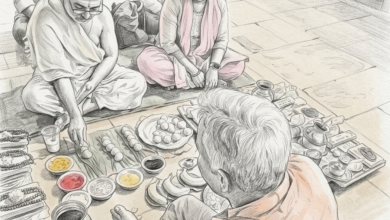
Shakti Bhakti in UK: A Devotee Brings Maa Durga Home
Navratri, Ghatasthapana & Living Traditions in UK..

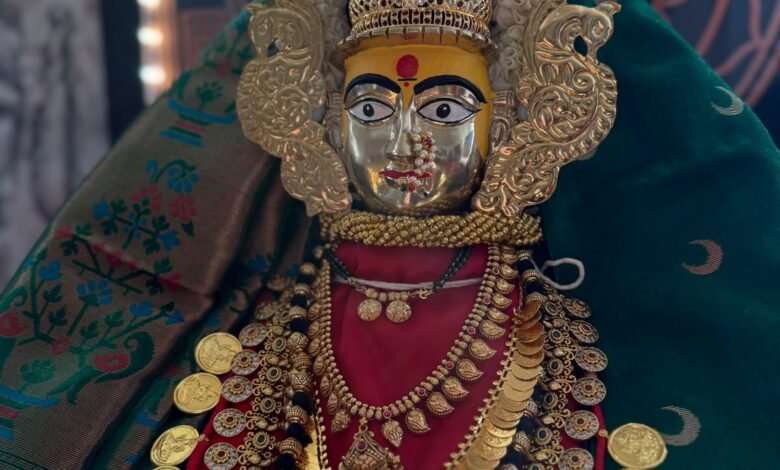
Celebrating Shakti in the UK: Aneel Khedkkar from UK, who has pioneered many a unique initiatives there, writes on following Navratri, Ghatasthapana and Living Traditions thousands of kilometers away from India.
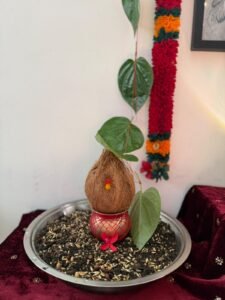
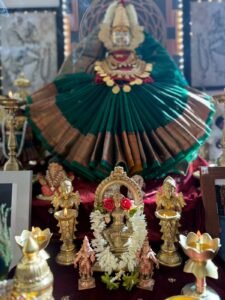
Navratri, the festival of nine nights dedicated to Shakti—the divine feminine power—is a time of devotion, gratitude and renewal. For Bharateeya families living in the United Kingdom, it is also an opportunity to keep cherished traditions alive and share their meaning with the wider community.
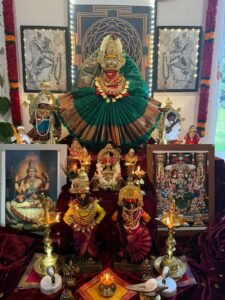
Our home altar is inspired by Shree Karveer Kolhapur Mahalaxmi, affectionately known as Ambabai. Adorned in a green sari with a gold border, crown, ornaments and flower garlands, Devi represents the strength and tenderness of the Divine Mother.
Behind her, two winged Devi figures offer garlands, expressing welcome and reverence. The yantra backdrop and glowing brass lamps create a space for prayer, reflection and togetherness.
Pandharpur Vaari-SVRTUK
The altar also includes the idols of Shri Vitthala and Rukmini, bringing another beloved aspect of Maharashtra’s devotional heritage into our home in the UK. Their presence reminds us of the devotion associated with Pandharpur and of the love through which generations have kept this spiritual connection alive.
For us, this connection also extends to SVRTUK and the sense of community that surrounds our shared devotion to Shri Vitthala and Rukmini. Celebrating these traditions at home helps sustain that bond, bringing personal worship and community belonging together.
Ghatasthapana
Alongside the idols is the sacred observance of Ghatasthapana—the installation of the kalash that begins Navratri worship. Grains are sown in soil and nurtured during the festival. Their emerging shoots become a living symbol of nourishment, growth and prosperity.
The practice can also be appreciated through an agricultural lens. Sowing different grains and observing their germination resembles a small seed-testing exercise, helping us notice seed health and early growth. It encourages gratitude for farmers and for the soil, water and care behind every harvest.
Nine forms of devi: millions of forms of shakti
The nine nights also offer a symbolic connection with the roughly nine months during which a mother nurtures a child before birth. Both invite reflection on the patience, protection and nourishment through which life develops.
Keeping these traditions alive in the UK requires care and commitment. We make space in our homes for the altar, bring together the items needed for worship, tend the grains and set aside time for prayer alongside our everyday responsibilities. As we nurture the seeds indoors, we pay attention to moisture and suitable warmth in the cooler autumn weather.
Embracing the tradition
These small, regular efforts make our heritage a living part of life here. Through photographs, conversations and shared celebrations, we can explain the meaning of our customs to younger generations and welcome friends from every background.
Although we live far from the places where these traditions began, celebrating them brings a feeling of home close to us. The presence of Mahalaxmi, Vitthala and Rukmini reminds us that devotion can travel across borders and continue to grow wherever it is lovingly nurtured.
May this Navratri bring strength, compassion and togetherness to every home.
Shubh Navratri. Jai Ambe. Jai Hari Vitthala.
SOURCE :
https://ambabaimahalaxmi.com/navratri
https://www.incredibleindia.gov.in/en/maharashtra/kolhapur/mahalaxmi-temple
CATCHUP FOR MORE ON : https://indiainput.com
FDA ALERT Pests on Platter, Mumbai Students in Hygiene Crisis?