The Day Women Stopped—and Iceland Stood Still
A peaceful nationwide strike revealed the true value of women's invisible work and changed history forever.

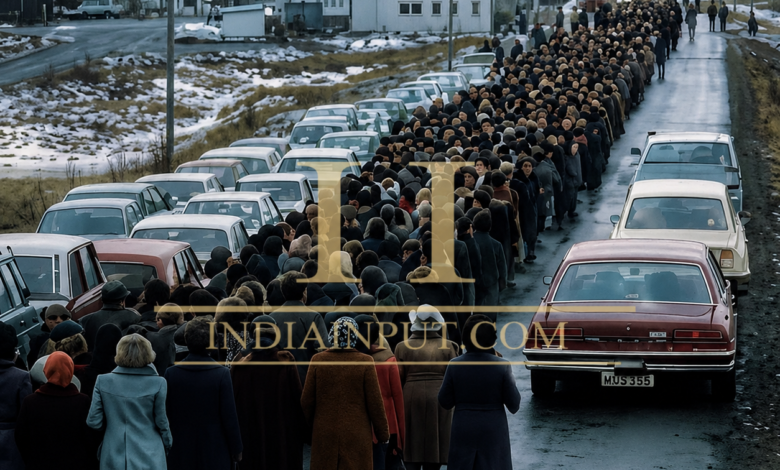
The Day Women Stopped—and Iceland Stood Still. On October 24, 1975, Iceland experienced a day unlike any other. There was no natural disaster, economic collapse, or political crisis. Yet the country seemed to come to a standstill.
Nearly 90% of Icelandic women walked away from their jobs and household responsibilities in what became known as Kvennafrídagurinn—Women’s Day Off. Offices emptied, schools closed, factories slowed, and homes functioned differently. Women refused not only paid work but also the unpaid labor that kept families and communities running every day.
The message was simple: if women’s work is taken for granted, imagine a day without it.
By_ Balbir Kaur for https://indiainput.com Desk.
A Protest That Needed No Loud Speeches
The movement was organized by the feminist group known as the Red Stockings. Tired of hearing that women’s work was “natural” or somehow less valuable, they chose demonstration over debate.
Instead of arguing about equality, they created a living example. Across the country, women stepped away from their workplaces, kitchens, and caregiving duties, allowing Iceland to experience just how much it relied on their contributions.
The Ripple Effect Across Iceland
The impact was immediate.
Schools shut their doors because most teachers were women. Banks and offices operated with minimal staff. Businesses struggled to function, while many fathers stayed home to care for their children, discovering firsthand the demands of responsibilities that often went unnoticed.
Newspapers soon described the historic moment as “The Day Iceland Stood Still.”
The Streets Filled With Determination
The strike was more than an absence from work. It was also a powerful public gathering.
More than 25,000 women assembled in Reykjavík, marching through the city’s streets with songs, speeches, and banners calling for equal pay, equal opportunities, and greater respect. Their voices echoed across the capital, while the quiet elsewhere in the country revealed the value of the invisible labor women performed every day.
A Turning Point for Equality
The protest became a defining moment in Iceland’s history.
Within five years, the country strengthened its equal-pay laws and witnessed greater participation of women in public life. In 1980, Vigdís Finnbogadóttir made history by becoming the world’s first democratically elected female president, inspiring generations around the globe.
A Legacy That Still Inspires
Today, Iceland is consistently recognized as one of the world’s most gender-equal nations. That achievement did not happen by chance—it grew from the courage of ordinary women who chose one extraordinary act of collective action.
Their protest proved that lasting change does not always come through confrontation. Sometimes, the most powerful statement is simply stepping away and allowing the world to recognize what it cannot function without.
SOURCE :
FEEDBACK : contact@indiainput.com
CATCHUP FOR MORE ON : https://indiainput.com
He Didn’t Just Play Chhatrapati Shivaji Maharaj—He looked like him.