Strategic Autonomy Isn’t a Slogan: Why Pokhran Still Matters
What Venezuela’s crisis reveals about India’s nuclear choice

Strategic Autonomy Isn’t a Slogan: Why Pokhran Still Matters. As images of U.S. pressure and military posturing around Venezuela circulate globally, the lesson of modern geopolitics becomes unmistakable. Morality is often secondary to power, and sovereignty without deterrence is fragile. Nations that lack strategic leverage frequently become arenas for coercion—through sanctions, regime pressure, or direct force. This reality has pushed many Indians to re-evaluate one of the most consequential choices in the country’s history: becoming a nuclear power.
By- Dr. Namrata Mishra Tiwari, Chief Editor https://indiainput.com
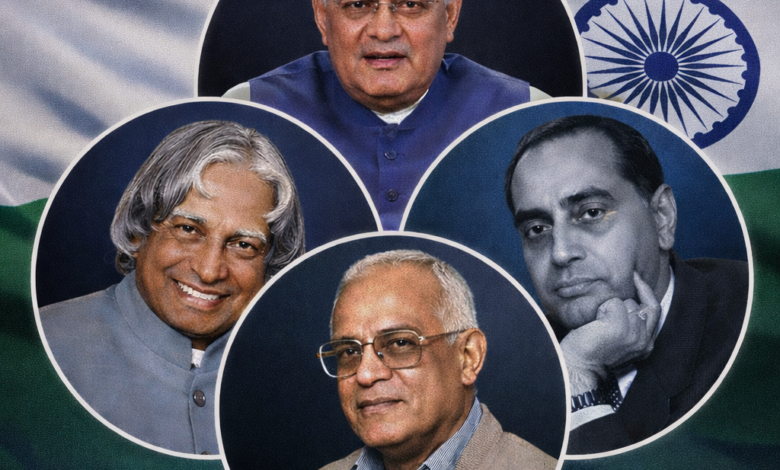
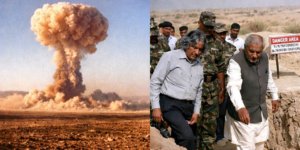
India’s nuclear journey was not born out of paranoia, but foresight. Visionaries like Homi J. Bhabha understood early that scientific capability would determine a nation’s standing. Raja Ramanna’s leadership during Pokhran-I in 1974 proved India could master advanced technology despite isolation. But it was Pokhran-II in 1998, led by Prime Minister Atal Bihari Vajpayee, that fundamentally altered India’s geopolitical position.
Indira Gandhi, HJ Bhabha, Raja Ramanna, R Chidambaram, PK Iyengar, Homi Sethna, NS Venkatesan, PR Roy.
Atal Bihari Vajpayee, APJ Abdul Kalam, K Santhanam, Satinder Sikka, Anil Kakodkar, GR Dikshitulu.
Memorise these names. We are not Ukraine or Venezuela because of them.
— Anand Ranganathan (@ARanganathan72) January 4, 2026
The timing was critical. The post–Cold War world had promised cooperation but practiced selective intervention. Iraq was invaded, Libya was dismantled, and Ukraine—after giving up its nuclear arsenal—was left exposed decades later. Venezuela, rich in resources yet strategically vulnerable, now faces relentless pressure from the world’s most powerful military alliance. The pattern is uncomfortable but clear: nations without credible deterrence are easier to bend.
“China was no threat to India.”
“India possessing nuclear weapons is morally wrong.”
– Congress leader Chidambaram in 1990sToday, some Congress cheerleaders are crediting the Gandhi family for Nuclear weaponisation in India. pic.twitter.com/WxKrwEPLfd
— Rishi Bagree (@rishibagree) January 4, 2026
Shree Atal Behari Vajpayee chose a different path. Against intense international opposition, threats of sanctions, and internal political dissent, India declared itself a nuclear weapons state—openly, responsibly, and with restraint. The decision was not about aggression; it was about ensuring that India would never be forced into submission by external powers. India followed this with a No First Use policy, reinforcing that its nuclear arsenal existed purely to prevent war, not provoke it.
Respect for this Man after seeing Venezuela Situation pic.twitter.com/crqoIC6KpT
— IndiaWarMonitor (@IndiaWarMonitor) January 4, 2026
Today, resurfaced clips of political leaders who once opposed nuclear weaponisation have reignited debate. Critics point out the irony: the same voices that warned of isolation now benefit from the security and diplomatic leverage the deterrent provides. India was sanctioned briefly—but it was never invaded, dismembered, or dictated to.
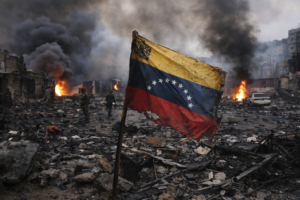
The contrast with Venezuela is stark. Despite sovereignty on paper, its lack of strategic deterrence has made it vulnerable to economic strangulation and military threats. India, by contrast, engages the world from a position of strength—trading, negotiating, and disagreeing without fear of force.
India’s nuclear programme ultimately delivered something far more valuable than weapons: strategic autonomy. It ensured that India’s future would be shaped in New Delhi, not Washington, Brussels, or Beijing.
In this light, the reflection feels apt. As global power politics repeat old patterns, many believe that Atal Bihari Vajpayee’s resolve continues to protect India. History may debate methods, but outcomes are undeniable. As one widely shared sentiment puts it: “Atal Ji must be smiling today.”
SOURCE :
CATCHUP FOR MORE ON : https://indiainput.com
भाषाओं का बढ़ता ‘वायरस’ : अस्मिता और प्रशासन की जंग।
What Really Makes a Year “New”? India’s Time Explained
धर्म के चार स्तंभ: गुरु गोबिंद सिंह जी के साहिबज़ादे
Exports Boom Prices Drop: 2025’s Best News for India
Trade Threats & Torched Homes: Why Patience Is Wearing Thin?
Trade Threats & Torched Homes: Why Patience Is Wearing Thin?