
Exam Crisis 2026: Addressing India’s Integrity Deficit
rom the NEET-UG disaster to the latest Maharashtra TET cancellation, systemic failures are shattering the dreams of millions—and accountability remains missing.

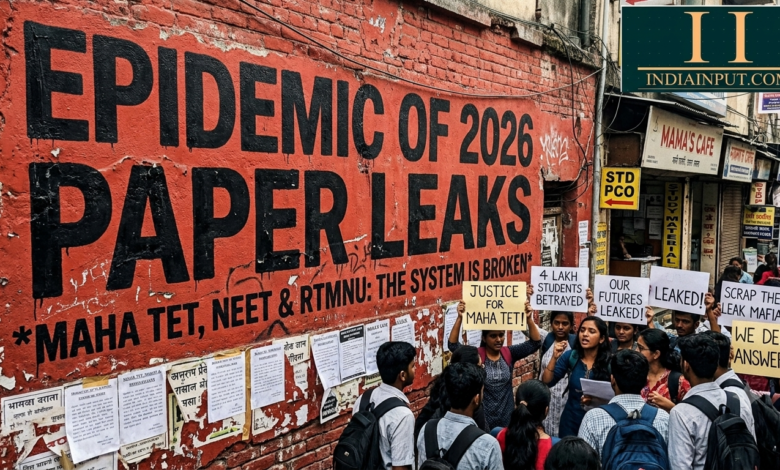
Exam Crisis 2026: Addressing India’s Integrity Deficit. The year 2026 has become a focal point of intense scrutiny regarding the sanctity of India’s competitive examination system. From national entrance tests to regional university assessments, recurring irregularities have fueled a growing “integrity deficit,” leaving millions of students in a cycle of anxiety and uncertainty.
By_ Dr. Namrata Mishra Tiwari, Chief Editor https://indiainput.com
A Pattern of Systemic Vulnerability
This incident is not an isolated occurrence but rather a reflection of a deeply troubling pattern across India in 2026. The year has been marred by repeated failures in the examination ecosystem, most notably the high-stakes NEET-UG 2026 paper leak.
That scandal, which necessitated a massive re-examination, exposed systemic vulnerabilities and a breach in the “command chain” of paper distribution.
Despite high-level committee recommendations and security overhauls, the persistence of these leaks suggests that current preventive measures—such as moving away from traditional OMR sheets or tightening transit protocols—are yet to be fully effective.
Beyond national-level entrance tests, regional universities like RTMNU have also faced scrutiny over examination irregularities and result discrepancies, further eroding student trust.
STORY | Maharashtra Teacher Eligibility Test (TET) postponed amid ‘paper leak’ concerns
The Teacher Eligibility Test (TET) 2026, scheduled for Sunday in Maharashtra, has been postponed after a raid in Bhiwandi of Thane district found that some individuals possessed several… pic.twitter.com/mDVVxexL5N
— Press Trust of India (@PTI_News) June 27, 2026
A Pattern of National Concern
The Maharashtra TET incident is part of a broader trend of examination disruptions in 2026.
-
NEET-UG 2026 Controversy: Following a major paper leak in May that forced the cancellation of the original exam, a re-examination was conducted on June 21, 2026, for over 20 lakh candidates. While the National Testing Agency (NTA) maintained that the re-test was conducted smoothly, the process was marred by circulating claims of further leaks—which the NTA officially debunked as “fake” and “fabricated” videos.
-
Regional Instability: Beyond national entrance exams, institutions like Rashtrasant Tukadoji Maharaj Nagpur University (RTMNU) have faced criticism for administrative failures, including the distribution of incorrect question papers (B.Com Semester IV) and significant delays in result processing, which have disrupted academic and internship schedules for students.
The Maharashtra TET Postponement
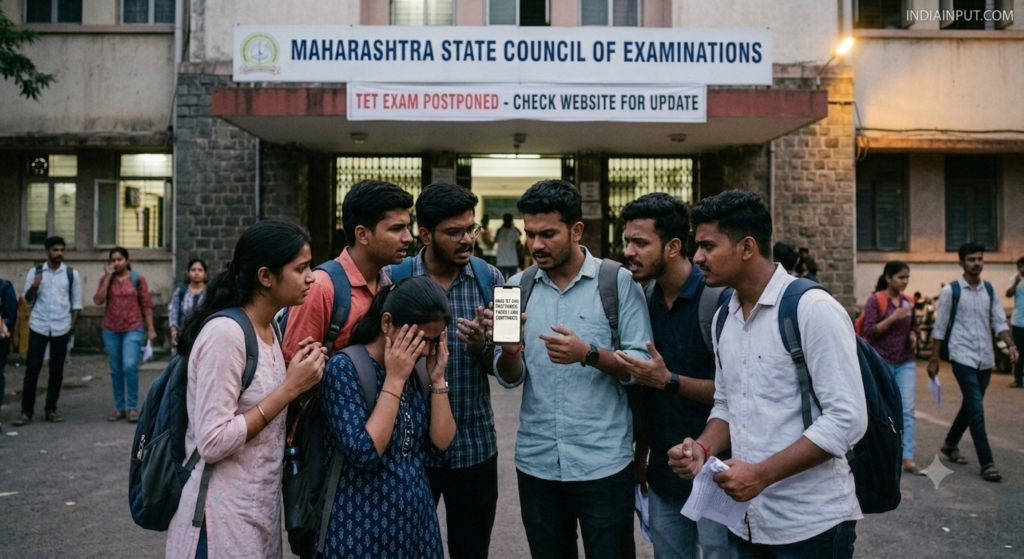
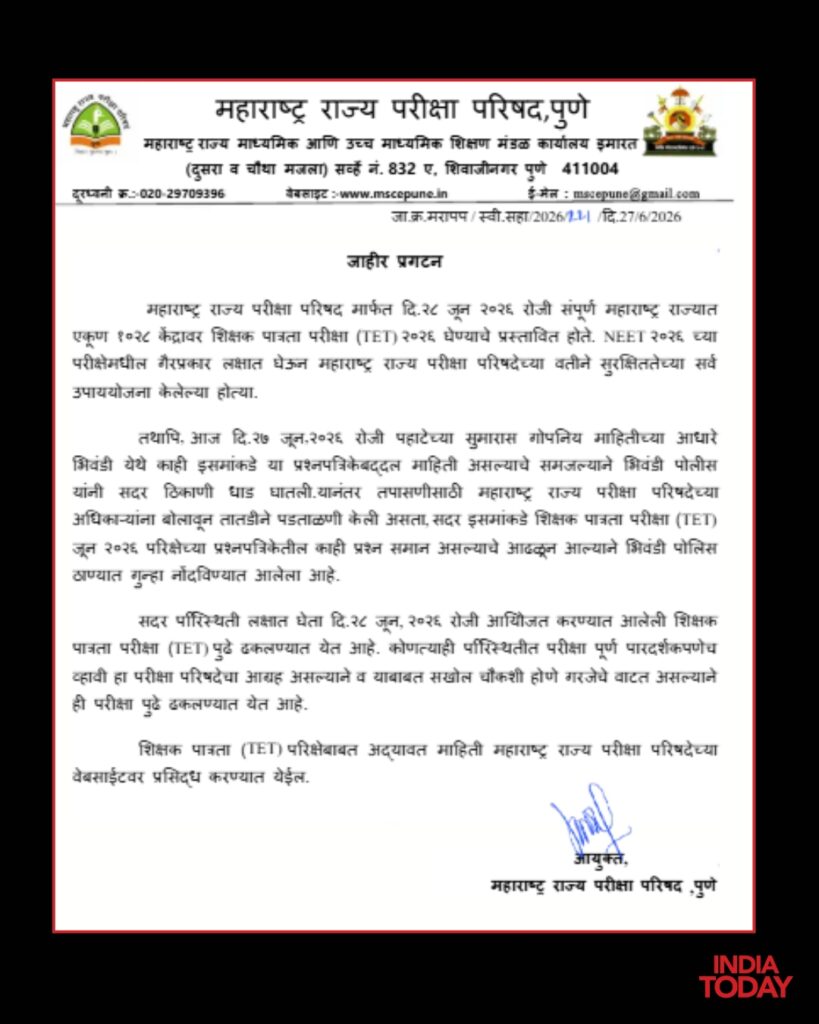
On June 27, 2026, the Maharashtra State Council of Examinations (MSCE) postponed the Teacher Eligibility Test (TET), originally scheduled for June 28, following a suspected paper leak.
-
-
The Breach: Acting on a confidential tip-off, the Bhiwandi police conducted a raid and recovered material that matched questions from the actual exam paper.
-
The Impact: The cancellation affected over 4.28 lakh registered candidates.
-
Response: MSCE has initiated a criminal investigation and stated that a fresh date will be announced on their official website, though no details regarding refunds or logistical compensation have been provided.
-
The Urgent Need for Reform
The frequency of these leaks has transformed the academic landscape into a battleground of anxiety for students. The financial and emotional toll on aspirants who spend years preparing, only to have their futures compromised by a coordinated racketeering network, is immeasurable.
As the government faces mounting pressure from both the public and opposition parties, there is an urgent demand for a complete structural overhaul.
Experts argue that merely increasing security is insufficient; the focus must shift toward technologically fortified, transparent, and strictly regulated examination systems that include real-time audit trails and absolute accountability for officials involved in the printing and distribution process.
The Structural Challenge: Why Reforms Stagnate
Experts point to several systemic vulnerabilities that continue to undermine the integrity of these examinations:
-
Insider Collusion: Many leaks are traced back to internal access points, involving individuals in printing, transport, or administrative roles.
-
Organized Syndicates: Sophisticated networks often exploit gaps in cybersecurity and physical security at examination centers.
-
Institutional Gaps: While laws like the Public Examinations (Prevention of Unfair Means) Act, 2024 exist, weak enforcement and a lack of real-time, end-to-end audit trails mean that preventive measures often fail to stop leaks before they occur.
The 2026 cycle serves as a grim reminder that without radical, iron-clad reforms and swift, exemplary punishment for those involved in these rackets, the sanctity of India’s competitive exams will continue to be under siege.
SOURCE :
FEEDBACK : contact@indiainput.com
CATCHUP FOR MORE ON : https://indiainput.com