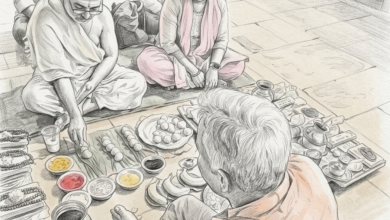
Wear It, Post It, Return It? The Dark Side of Festive E-Commerce
Easy Returns, Hidden Costs: Why E-Commerce Platforms Need Stronger Safeguards.

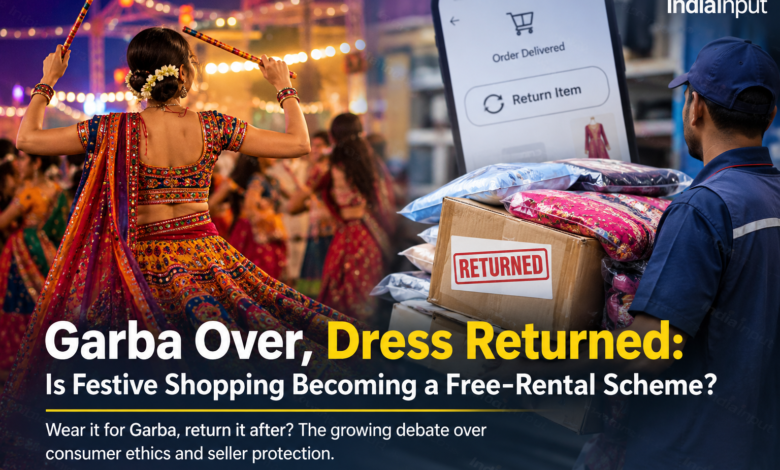
When the Festivities End, Do the Returns Begin?
Navratri celebrates devotion, colour, music and community. But a viral Threads post by @newsspot_india has sparked debate over a troubling side of festive shopping: clothing parcels reportedly being returned after Garba celebrations.
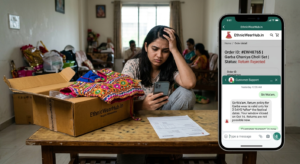
The footage, described as showing a delivery worker handling returned parcels, has prompted allegations that some shoppers purchase festive outfits, wear them for events and return them afterwards. While the video alone does not establish the circumstances behind every return, it raises an important question: are some consumers exploiting return policies as a free-rental service?
A viral video raises questions about consumer ethics, seller losses and the urgent need for stricter e-commerce return policies.
By_ Dr. Namrata Mishra Tiwari, Chief Editor, https://indiainput.com
A Return Policy Is Not a Free Wardrobe
Online shopping offers convenience and essential consumer protections. Returning defective, damaged, incorrectly supplied or misrepresented products is legitimate. Deliberately buying an outfit for temporary use and returning it against the seller’s stated conditions is an entirely different matter.
A return policy is designed to protect consumers, not provide unlimited access to festive fashion without accepting the cost of ownership. Where customers deliberately misrepresent a product’s condition or return reason, the issue becomes one of honesty and accountability.
Who Pays for This Convenience?
Returns can create reverse-shipping expenses, inspection costs, repackaging and losses when garments cannot be resold as new. Small businesses may struggle to absorb these costs. Delivery workers face additional handling and transportation, while subsequent buyers deserve transparency about a garment’s condition.
Worse, widespread misuse could encourage platforms to impose stricter restrictions that inconvenience honest customers with genuine complaints. Why should responsible shoppers and hardworking sellers bear the consequences of someone else’s alleged misconduct?
Platforms Must Strengthen Safeguards
E-commerce companies and sellers cannot simply process every return without effective checks. They should strengthen garment inspections, maintain accurate return records and investigate suspicious patterns using evidence rather than assumptions.
Sellers need fair mechanisms to challenge questionable returns, while consumers must retain meaningful protection against defective or incorrectly supplied products. Repeated, substantiated abuse should attract proportionate consequences under transparent platform policies and applicable law.
Policymakers and consumer-protection authorities should also examine whether existing return practices adequately protect sellers. Clearer conditions, effective dispute resolution and greater accountability are essential—but legitimate returns must never be unfairly obstructed.
Affordability Is Not Shameful. Dishonesty Is.
There is no shame in choosing an affordable outfit, reusing a favourite dress, borrowing one with permission or using a legitimate rental service.
But deliberately treating a seller’s inventory as a temporary wardrobe, contrary to return conditions, shifts the cost of personal convenience onto someone else.
If you cannot afford a dress, choose one within your budget. Do not turn another person’s business into your personal festive wardrobe.
Navratri celebrates the triumph of good over evil. That spirit should extend to everyday conduct. Consumers must act responsibly, sellers deserve protection, and platforms must ensure that return policies remain safeguards—not opportunities for exploitation.
The question is not whether online shopping should offer easy returns. It is whether convenience can survive without accountability.
SOURCE :
https://consumeraffairs.gov.in/
CATCHUP FOR MORE ON : https://indiainput.com